

Checksums, Flash ECC, RAID and Backups: What Each Can Protect
Compare detection, correction, continued service and historical recovery across four storage protection layers.

eMMC CMDQ Supported vs Enabled: Validating Host and Device Readiness
Understand the distinction between eMMC 5.1 Command Queuing hardware capability and active runtime enablement in Linux embedded hosts.

eMMC Erase, TRIM, Discard, and Sanitize: Technical Differences
Understand how Linux block discards, eMMC TRIM, ERASE, and Sanitize commands interact, their operational granularity, and data persistence implications.
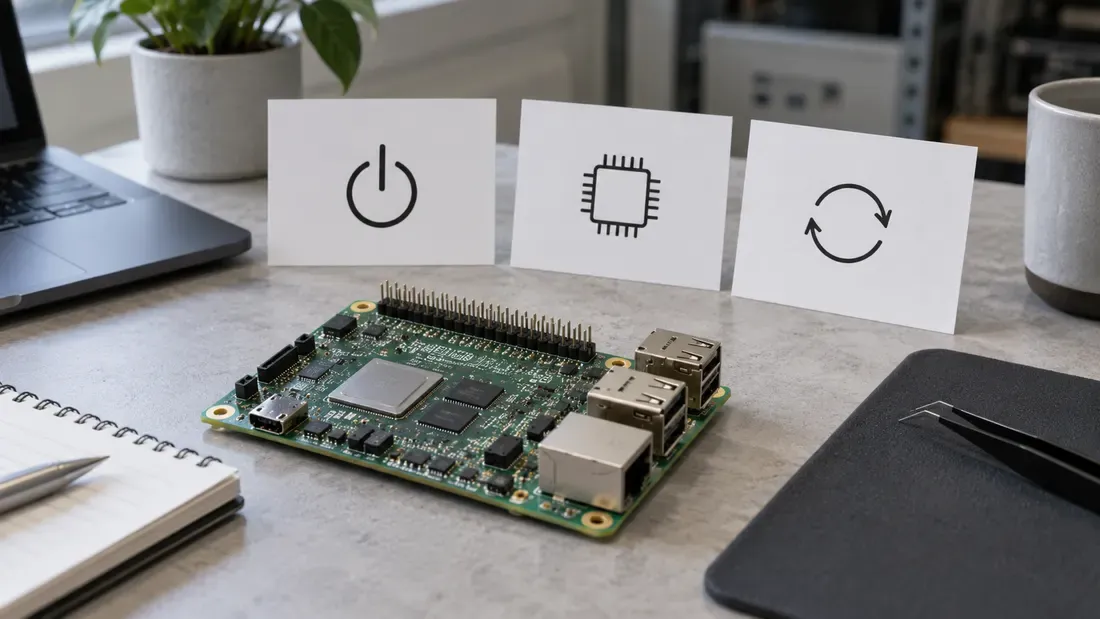
eMMC Reset Types: Hardware Pin, Software Commands, and Power Cycles
Analyze the architectural differences, cache behaviors, and system states between eMMC hardware reset (RST_n), software initialization, and power cycles.

Can You Monitor microSD Wear? Standard Registers and Vendor Tools
Learn which microSD fields identify a card, when a vendor can expose wear data, and what to request before relying on fleet health alerts.
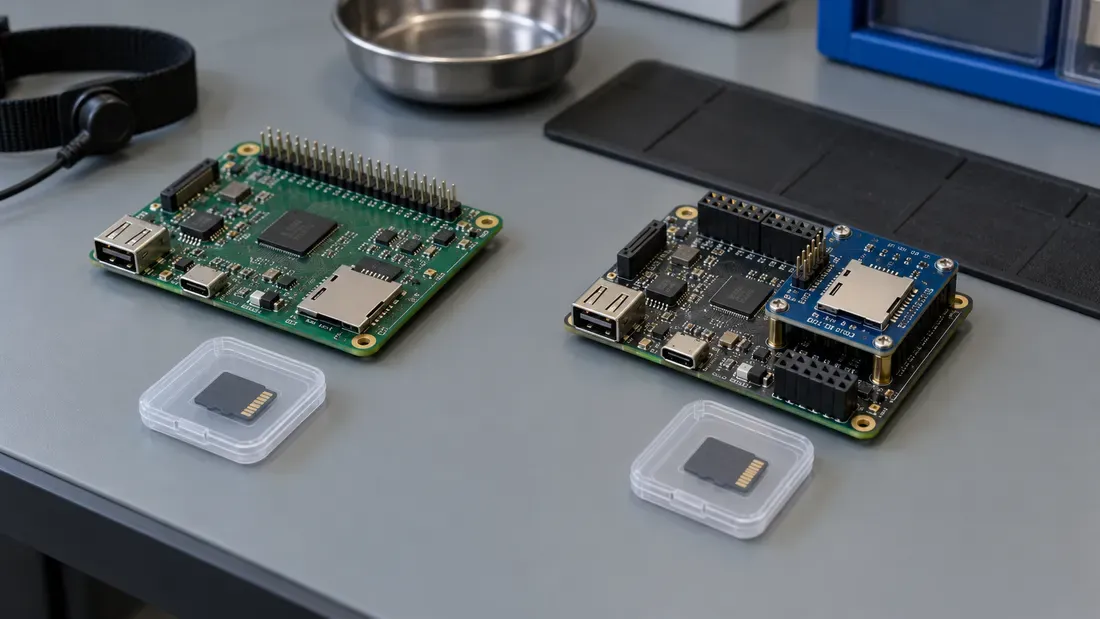
microSD SPI vs Native SD Bus Mode: Interface Differences and Throughput Limits
Understand architectural differences between microSD SPI and native 4-bit SD bus modes, speed class limitations, and host factors governing throughput.
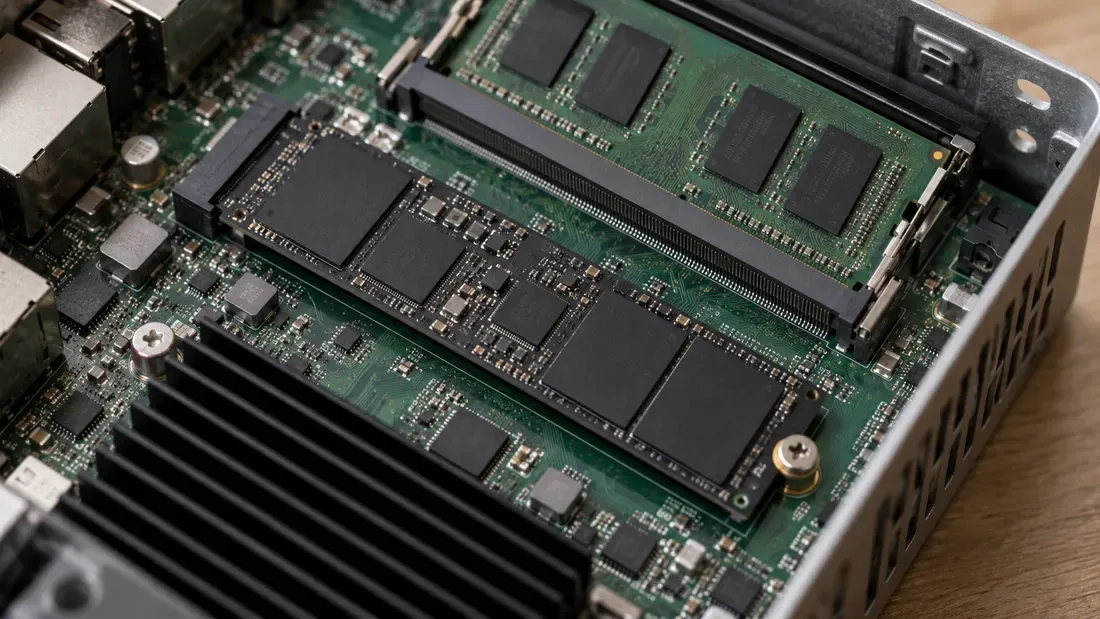
Host Memory Buffer (HMB) in Industrial PCs: Architecture and DRAM-less NVMe Evaluation
Compare onboard DRAM, DRAM-less NVMe with HMB, and DRAM-less SSDs without HMB for compact industrial computing platforms.

SSD MTBF, AFR and Warranty: What Does Each Number Tell a Buyer?
Separate SSD population reliability estimates, annual failure measures and contractual warranty coverage before qualifying an exact part.
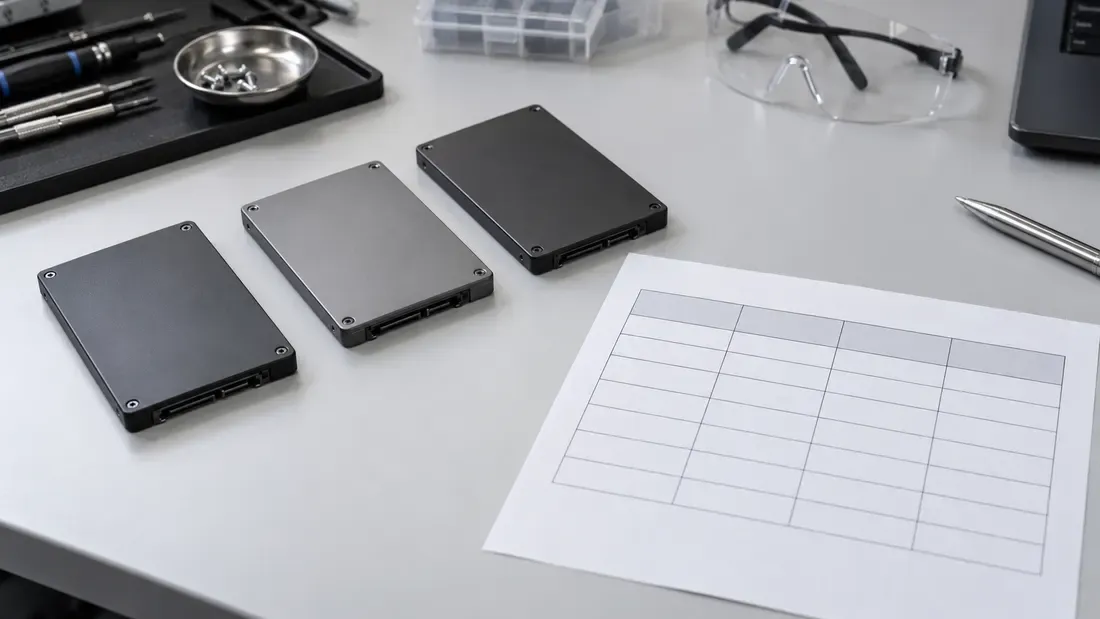
Why SSD Performance Varies by Capacity Within the Same Model Family
Understand how drive capacity affects published throughput and IOPS across identical SSD product lines, using published vendor specifications.

UFS Health Descriptor vs. eMMC Health Report: Monitoring Wear in Embedded Linux
Understand the differences between UFS health descriptor attributes and eMMC EXT_CSD health registers in Linux embedded deployments.
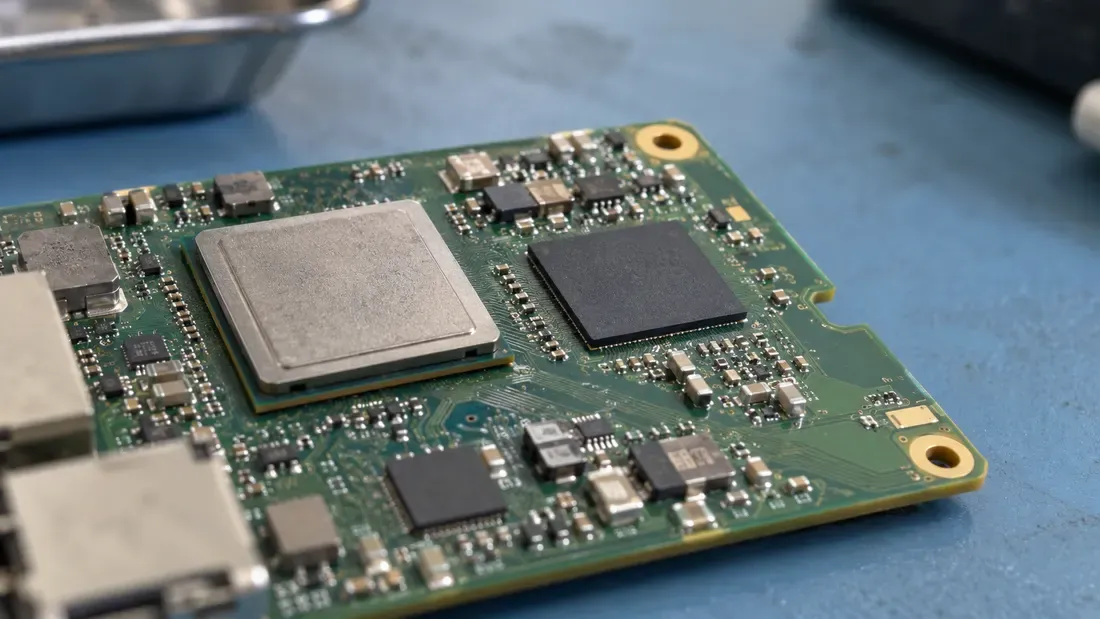
What Is eMMC Storage? How It Works and Where It Fits
Learn what eMMC storage contains, how it differs from removable cards and raw NAND, what 128GB means, and which host and part details to check.

Why Copying Many Small Files Is Slower Than a Single Large File
Understand the metadata, protocol, and storage overheads that degrade transfer speeds during small-file copies across local and network storage.

Zero Failures in SSD Testing: What Can You Actually Claim?
Calculate what zero-failure SSD test results establish, why repeated cycles do not equal independent units, and how to apply exact binomial bounds.
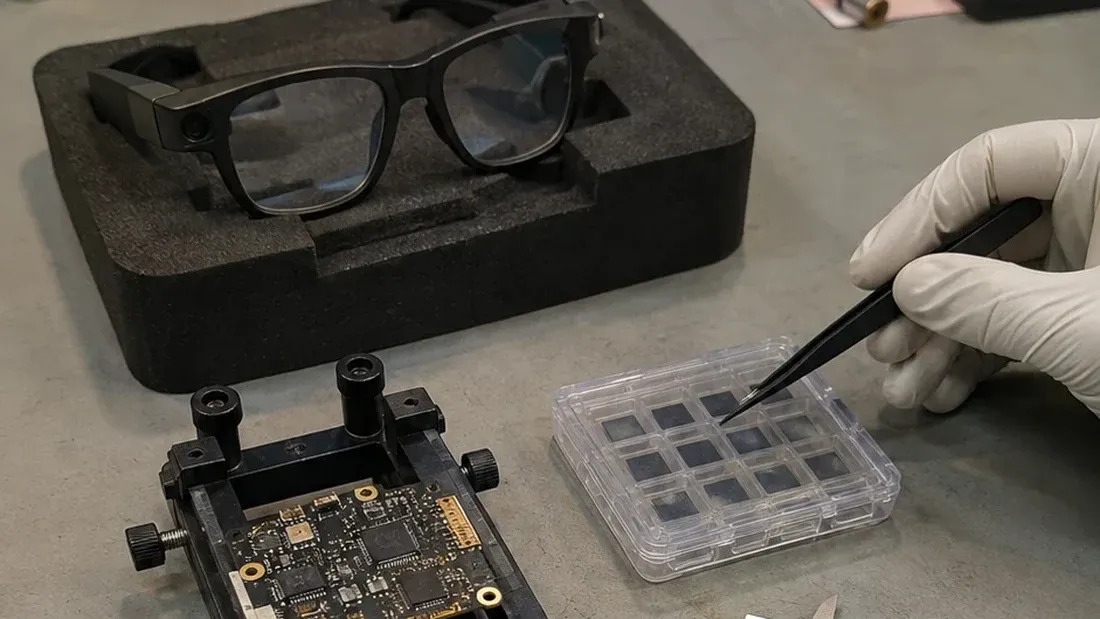
AI glasses and wearables: eMMC or UFS beyond capacity
Choose eMMC or UFS for AI wearables by task location, SoC support, BGA package, active and idle energy, thermal behavior, OTA space and product lifecycle.
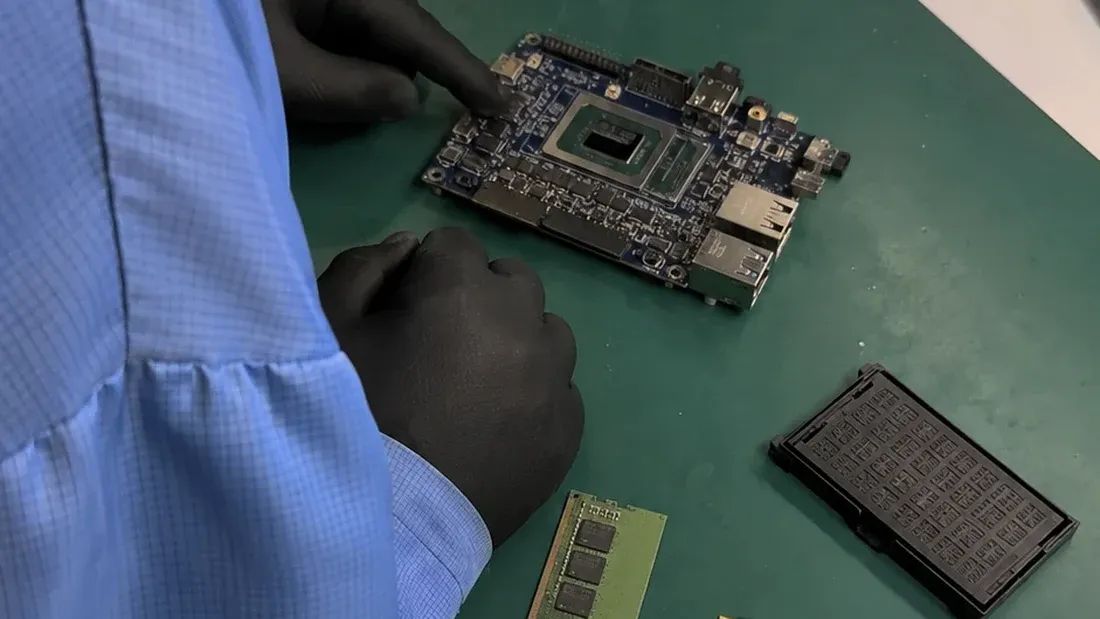
What do HBM, DRAM, NAND, eMMC, UFS and SSDs do in AI devices?
Separate AI working memory from persistent storage, then match eMMC, UFS, microSD or SSD to the host interface, workload, endurance and lifecycle.
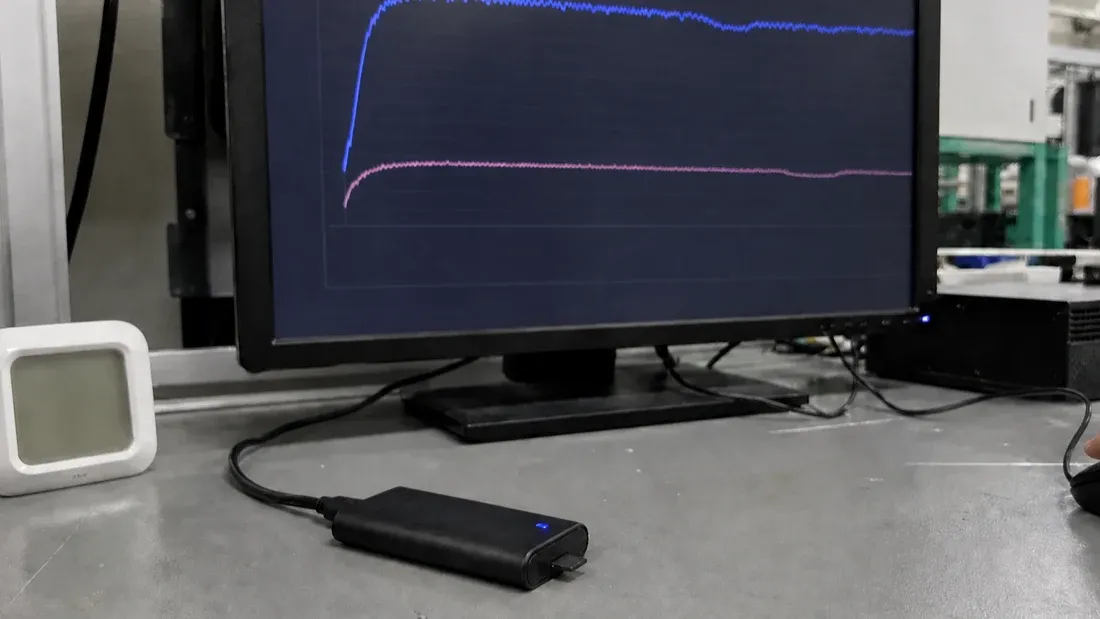
How to test microSD sustained write speed: reader, cache, fill state and V30 limits
A credible microSD sustained-write test controls the reader, host cache, data size, fill state, temperature and measurement window before interpreting U3 or V30.

NAND ECC engineering: from RBER to UBER, BCH, LDPC and read retry
An engineering guide to NAND error correction: connect RBER to codeword failure, distinguish BCH from LDPC, and qualify soft decoding and read-retry latency.

NAND read disturb and program interference: mechanisms and qualification
A device-level guide to NAND read disturb and program interference: threshold shifts, coupling, wear interaction, refresh, evidence and qualification tests.
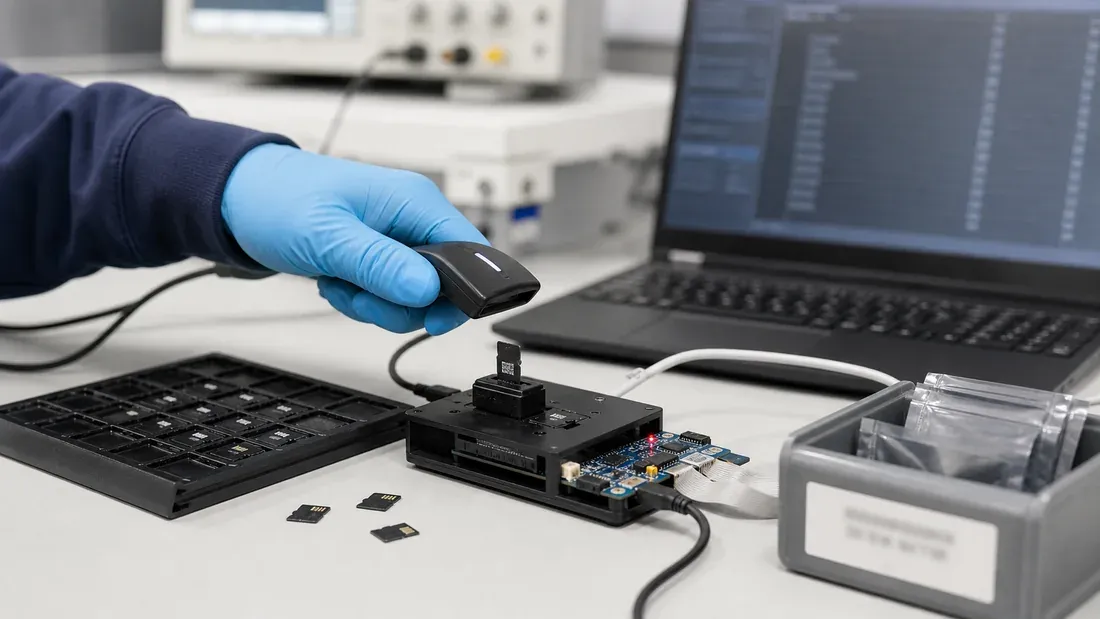
SD card CID, CSD and SCR for OEM traceability
Plain-English guide to SD and microSD CID, CSD and SCR data: what they identify, what they do not prove, and how OEM buyers record traceability evidence.
eMMC production provisioning: boot, RPMB and enhanced areas
Plan eMMC production provisioning for boot partitions, enhanced areas, reliable write and RPMB keys, with irreversible steps, verification and traceability.
SSD over-provisioning for endurance and steady performance
Specify SSD over-provisioning for OEM workloads by balancing capacity, steady write performance, endurance, write amplification and qualification evidence.
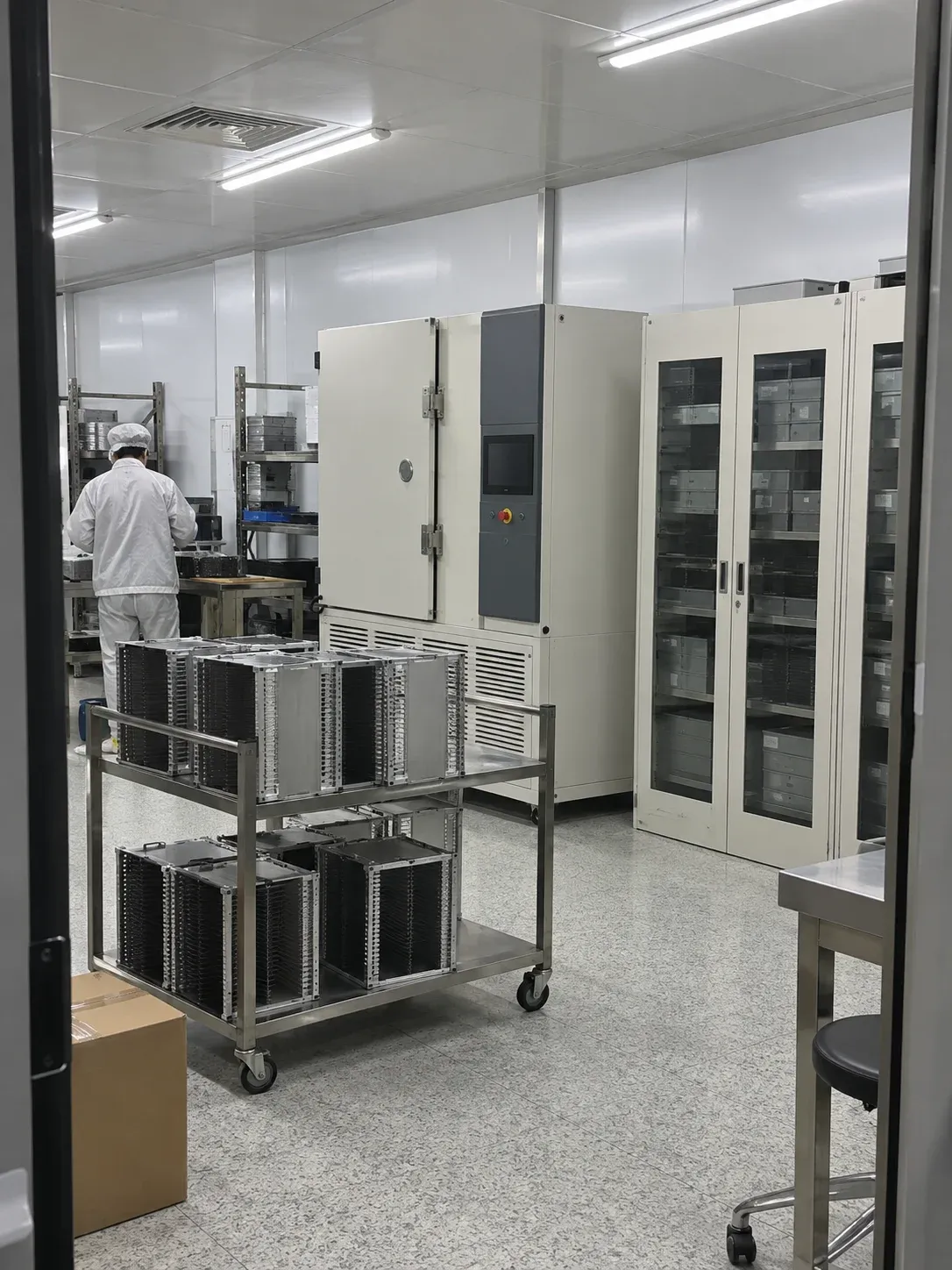
Budgeting flash storage qualification: acceptance before sample quantity
Define acceptance questions before budgeting flash samples, hosts, labour, destructive tests and retests. Keep technical approval separate from commercial and production release.
eMMC BKOPS: background operations and latency spikes
Learn why eMMC background operations create latency spikes, how BKOPS is enabled and scheduled, and what OEM teams should measure before production release.
SSD write amplification: measure WAF and reduce wear
Write amplification can consume SSD endurance beyond what host-write counters show. Learn how to calculate WAF, measure it over time and reduce avoidable wear.
eMMC health: PRE_EOL_INFO and DEVICE_LIFE_TIME explained
Learn how to read eMMC PRE_EOL_INFO and DEVICE_LIFE_TIME values, avoid the “percent remaining” trap, and plan service from trends across embedded fleets.
NVMe thermal throttling: temperature, speed and heatsinks
Learn why an NVMe SSD slows when hot, how to confirm thermal throttling, and when airflow or a correctly fitted heatsink can help under sustained workloads.
NAND bad blocks and ECC: what flash buyers should verify
Factory bad blocks can be normal. Learn how ECC and controllers manage NAND errors—and which health, spare-capacity and qualification checks buyers need.
SLC cache explained: burst vs sustained flash write speed
Peak speed may be a short cache burst, not a long transfer. Learn how SLC buffers, NAND, free space, files and interfaces shape sustained writes.
NVMe SMART health explained: percentage used, media errors and unsafe shutdowns
Learn which NVMe SMART fields matter, why 100% percentage used is not an instant failure flag, and when available spare, media errors, temperature or read-only warnings require action.
Why an SSD slows down when full: TRIM, garbage collection and over-provisioning
A nearly full SSD has fewer clean blocks for writes, increasing garbage collection and write amplification. Learn what TRIM does, how over-provisioning helps and what to check before replacing the drive.
AEC-Q100 temperature grades: how to verify an “automotive” flash claim
AEC-Q100 Grade 0, 1, 2 and 3 cover different IC ambient-temperature ranges. Learn why an automotive-qualified NAND component does not automatically qualify a complete SD card or SSD.
microSD Express vs UHS-I: what Switch 2 and Steam Deck buyers need to know
Nintendo Switch 2 requires microSD Express for game storage, while Steam Deck is built around UHS-I. Learn the logos, compatibility traps and questions a buyer should ask before stocking either card.
Fixed BOM in industrial flash: the spec that keeps qualified products qualified
A fixed or controlled BOM keeps the NAND, controller and firmware from changing silently between batches. Learn what it covers, why it matters to OEM qualification, and what to put in an RFQ.
V30 vs V60 vs V90: which SD card does your camera actually need?
Convert camera bitrate into card write speed, understand why 280 Mbps modes call for V60 and 600 Mbps All-Intra calls for V90, and avoid paying for speed your camera cannot use.

exFAT vs FAT32 (and NTFS) on SD cards — capacity tiers and the 4 GB limit
Why won't your 256 GB card format to FAT32, and why does it refuse files over 4 GB? Because capacity, filesystem and the SDHC/SDXC/SDUC tier are locked together by the SD spec. Here is how they map, where the 4 GB wall comes from, and how to format correctly.
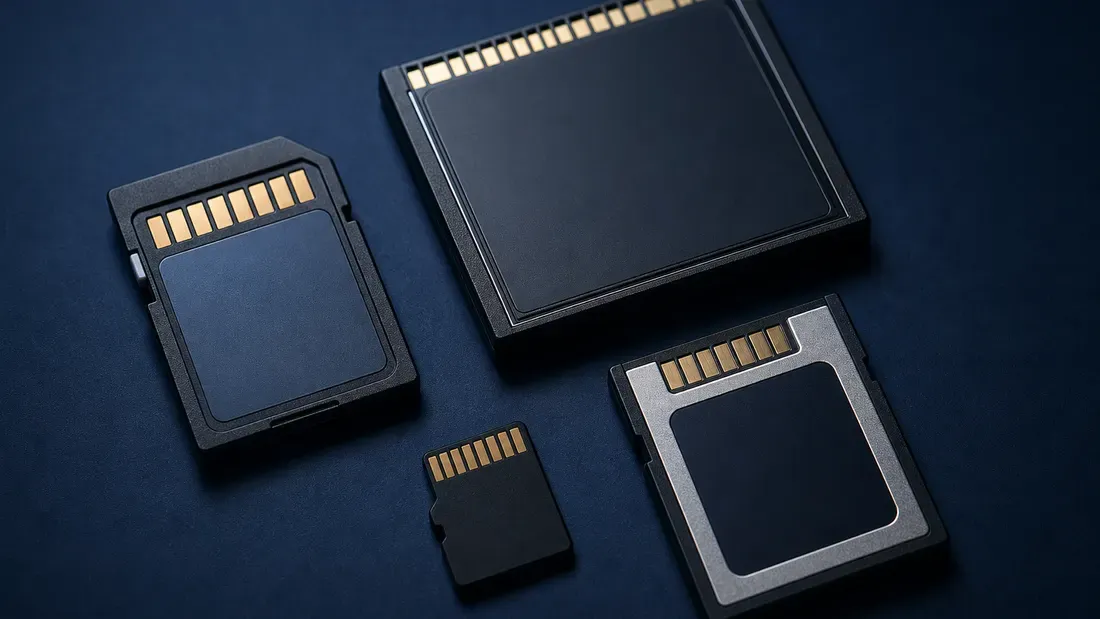
SD vs microSD vs CompactFlash vs CFexpress — memory card formats explained
Which card does your camera or device actually take, and what do all the names mean? A plain-language map of the physical formats (SD, microSD, CompactFlash, CFexpress A/B/C), the buses behind them (UHS-I/II/III, SD Express, PCIe/NVMe), and how to choose.
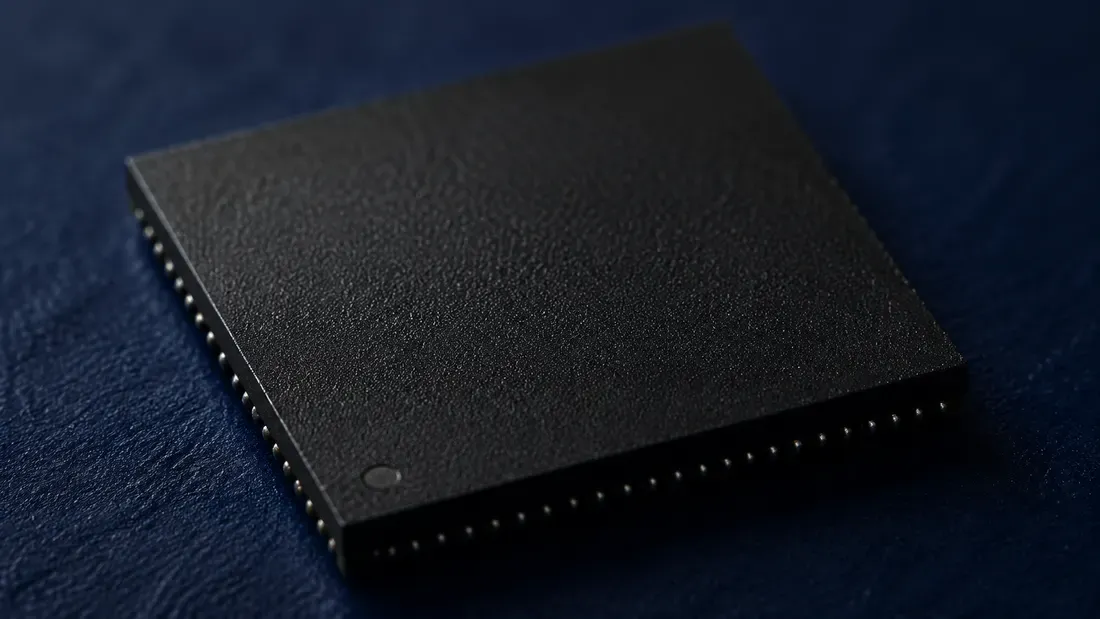
Flash data retention: heat, wear and power-off storage
See how NAND wear and storage temperature affect data retention, what JEDEC limits mean, and how OEM buyers should qualify unpowered storage conditions.

eMMC, UFS or microSD: embedded interfaces and host compatibility
Understand managed NAND, removable versus soldered storage, interface architecture and the host requirements behind embedded selection.

U1 vs U3 microSD: speed classes and bulk purchase requirements
Compare U1, U3, V30 and A1/A2, convert video bitrate correctly, and specify sustained write speed, host compatibility and acceptance for bulk microSD orders.
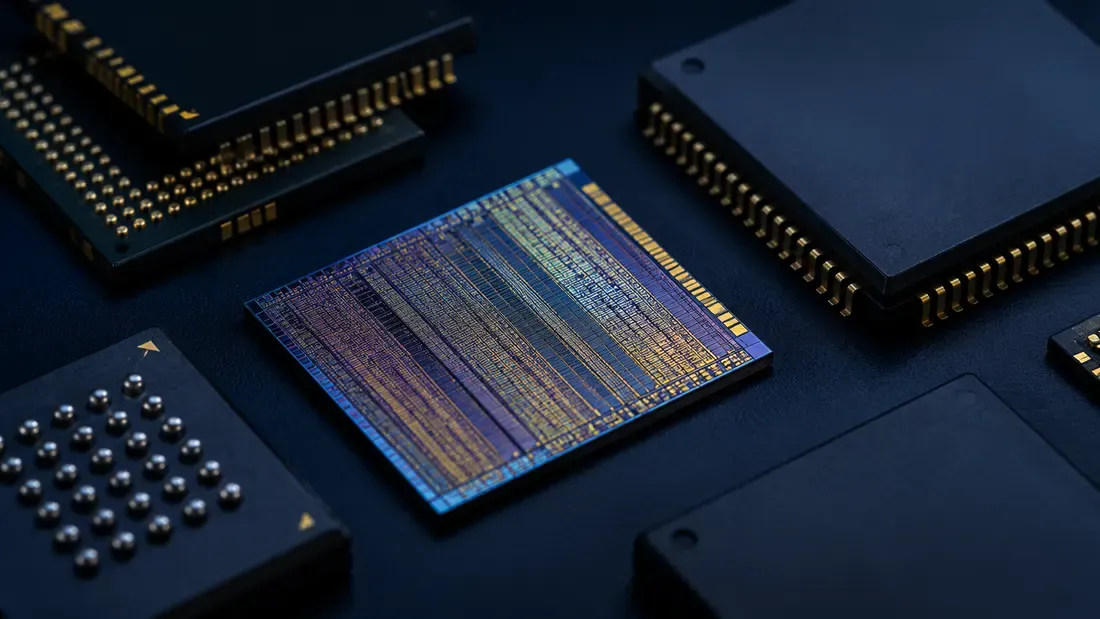
SLC, MLC, TLC, QLC and pSLC — the one NAND choice under every flash spec
Bits per cell sets a flash part's capacity, cost, speed and endurance all at once. Here's the ladder from SLC to QLC, why each extra bit costs an order of magnitude of endurance, what 3D NAND changed, and where pSLC fits.
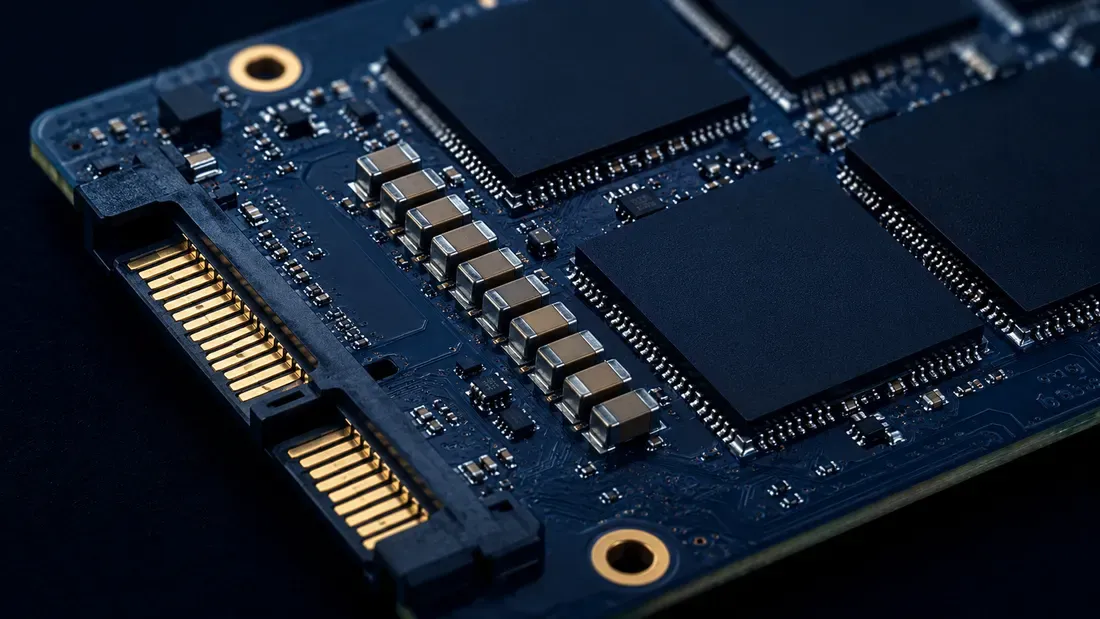
SSD power-loss protection: how PLP works and when it matters
Learn how SSD power-loss protection combines hold-up energy and firmware to protect data in flight and mapping metadata, and when a UPS is not enough.
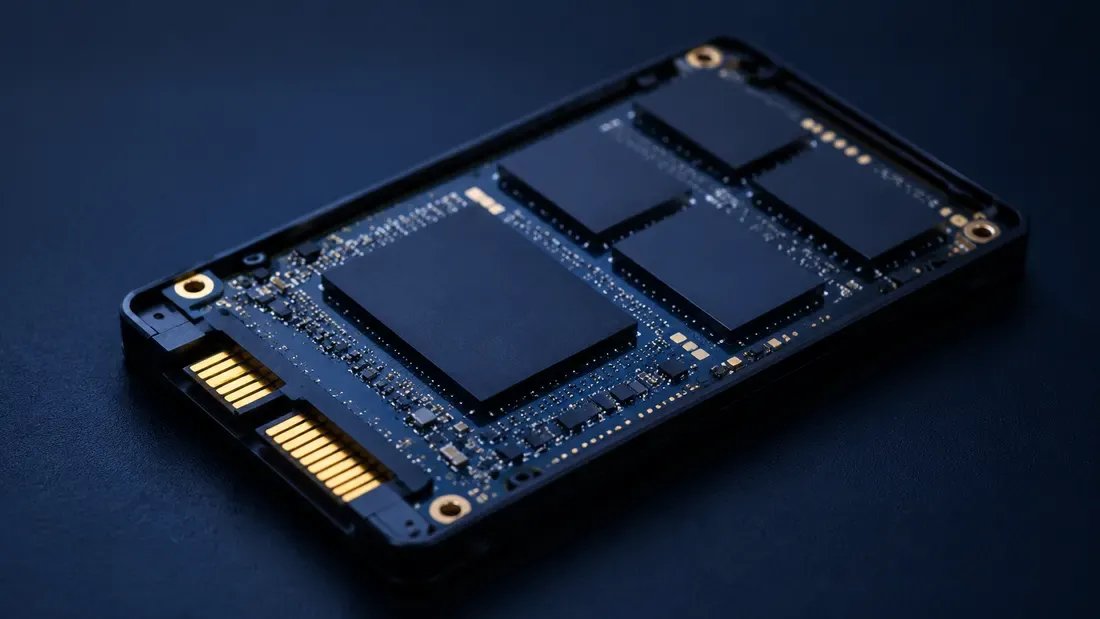
TBW and DWPD — how to read SSD endurance (and size it for your workload)
TBW and DWPD are the same fact in different clothes. Here's the conversion, where the number comes from (NAND P/E ÷ write amplification), what JEDEC standardizes, and how to size an SSD's endurance to your actual writes.

High-endurance vs regular microSD: speed, lifetime and evidence
Understand NAND type, pSLC, rated hours and host writes without turning speed-class labels or short tests into lifetime guarantees.
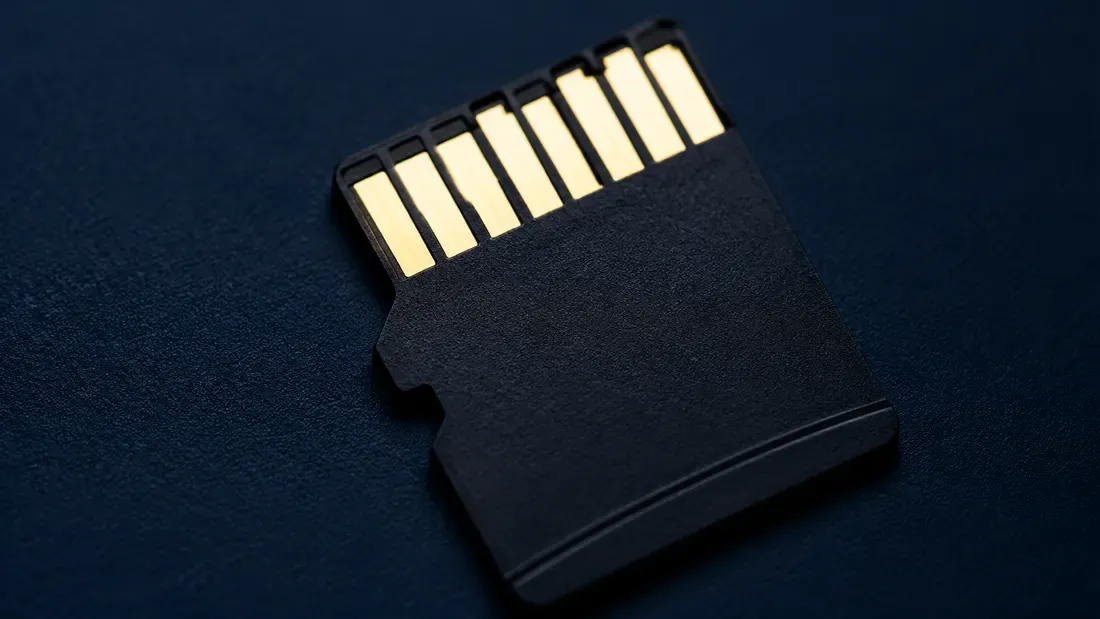
Why 128GB shows 119GB and how to detect fake capacity
A 128GB microSD normally shows about 119GiB. See the decimal-to-binary math, then use full write verification to separate honest capacity from fraud in testing.