
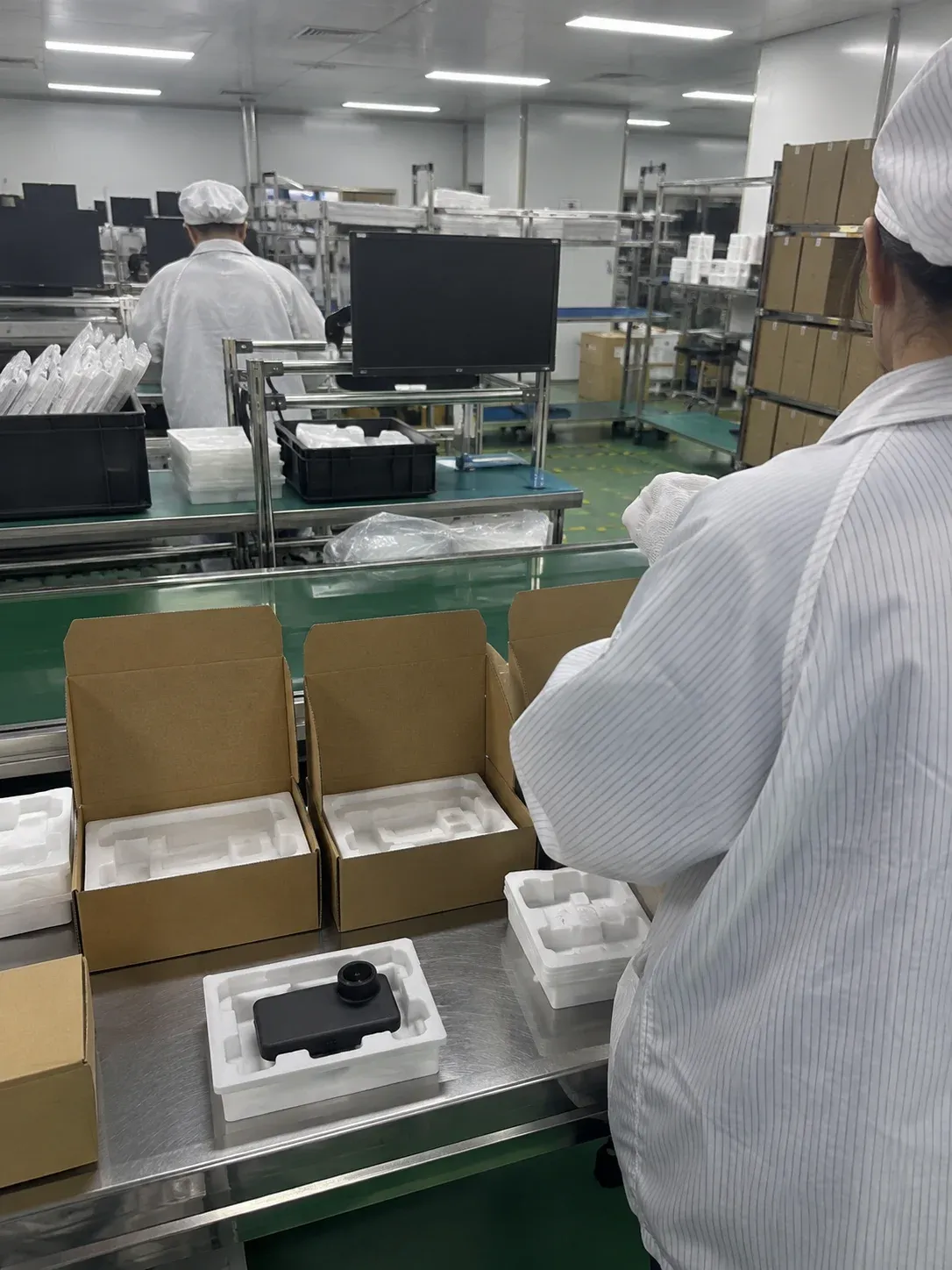
Should dashcam retailers bundle a memory card? Costs and support
- Compare the bundle with device-only sales of the same recorder, channel and support period; additional sales revenue is not automatically additional profit.
- Include card, packaging, validation, logistics, working-capital and support differences without counting the same cost twice.
- A card bundle may improve configuration consistency, but reduced returns require evidence from a controlled pilot.
A bundled memory card is commercially worthwhile only if the additional revenue covers the additional card, packaging, validation, working-capital and support costs. Letting the customer buy a card reduces the seller's initial material outlay, but can introduce unsuitable capacities, speed classes or recording endurance. Neither approach is automatically better.
Use device-only sales of the same recorder as the baseline. Keep the sales channel, service scope and observation period consistent, then calculate the differences caused by adding the card.
Image: AI-generated packing-area illustration, not an actual factory photograph or evidence of a customer project or successful qualification.
First define what the customer is buying
If the promise is “ready to record,” the contents and instructions should agree about whether a card is included, whether the combination has been validated and whether formatting is required. If the offer is device-only, provide the equipment manufacturer's card requirements so an absent card is not mistaken for a missing accessory.
For a bundle, identify the recorder model and firmware range associated with the card configuration. Speed classes describe performance under specified conditions; they do not establish loop-recording endurance or compatibility with every host. The SD Association explanation provides the technical background, but purchasing still requires the actual device requirements and validation.
How should incremental contribution be calculated?
A management estimate per kit can use:
Expected incremental contribution per kit = difference in net sales revenue per kit - difference in material and packaging costs per kit - difference in logistics and support costs per kit - difference in working-capital cost per kit - one-time incremental validation cost / planned allocation quantity.
Calculate every difference as bundled offer minus device-only offer, in the same currency per kit. Support differences can include attributable replacements, return shipping and handling labour. If a bundle reduces support cost, that difference can be negative, but the reduction needs evidence. Do not subtract the bundle's entire support cost again after already accounting for the difference.
Allocate one-time validation spending only once. The number of kits used for allocation is a budget assumption, not a sales commitment; recalculate if actual sales do not reach the plan. Net sales revenue should reflect applicable platform fees and discounts, while tax treatment follows the business's consistent accounting basis.
Without historical support data, compare low-, medium- and high-cost scenarios and clearly identify them as assumptions. Do not fill the gap with an invented industry average. This estimate supports a commercial comparison; it does not replace device qualification or the retailer's accounting review.
| Comparison | Card included | Customer buys a card |
|---|---|---|
| Selection responsibility | Seller selects the candidate configuration | Customer follows equipment requirements |
| Initial cash commitment | Card, packaging and validation | Lower expenditure on bundling |
| Support investigation | A fixed combination may be reproducible | Card origin and configuration may be unknown |
| Main risks | Lot changes and responsibility for the combination | Selection mistakes and responsibility disputes |
Start with a limited pilot, not every capacity
A first pilot can focus on one recorder, one card configuration and a defined customer group. Record successful installation, problems during normal use, reasons for returns and time spent handling support tickets.
Do not mark “no customer complaint” as a compatibility pass. Equally, do not classify every recorder return as a card failure. For a more detailed support-record approach, see how resellers assess memory-card returns.
The retailer should define pilot quantity, duration and acceptance according to project risk. Before expanding sales, confirm that delivered lots remain linked to the approved sample configuration. Matching appearance and capacity alone do not establish continuity.
What should be sent to the card supplier?
Provide the recorder model, channel count, bitrate, operating environment, required recording retention, expected pilot quantity, adapter requirements and packaging format. State the acceptable purchasing-cost range and after-sales responsibility separately. There is no need to present an unconfirmed future volume as a firm order.
A Kalstor high-endurance microSD enquiry can begin the hardware discussion. Suitability for a particular recorder depends on the exact configuration and validation results, not a generic endurance label.
When submitting a bundle enquiry, list the recorder and card separately so technical conditions and commercial responsibilities can be confirmed independently. Kalstor supplies storage hardware; the retailer or its appointed technical provider remains responsible for device setup and software work.
FAQ
Does including a card always reduce returns?
Can a longer warranty make the cheapest card suitable?
References
We publish measured usable capacity and define trial-batch verification against the quoted product and agreed test scope.